

Real estate transactions involve high stakes, complex regulatory frameworks, and significant capital exposure. According to recent industry analyses, over 60% of commercial real estate disputes stem from ambiguous contract terms and inadequate due diligence processes. This statistic highlights the critical need for proactive legal strategies rather than reactive litigation. When parties enter a transaction without clear boundaries, the likelihood of costly litigation increases exponentially. This guide outlines the essential strategies to protect your interests, from initial formation through final exit.
Strategic Entity Formation and Governance
The foundation of any successful real estate transaction lies in how the owning entity is structured. Warren Kalyan has built a well established presence in Texas for over four decades and in New York for close to two decades, helping clients navigate these complexities. The way you structure your liability shield determines your exposure if a dispute arises.
Defining the Legal Structure
Entity formation is the legal process of creating a business structure that separates personal assets from business liabilities. Choosing between a Limited Liability Company (LLC), a Limited Partnership (LP), or a Corporation is not merely a tax decision. It is a risk management strategy. For multifamily real estate, an LLC structure often provides the flexibility needed for multiple investors while maintaining limited liability protection.
Governance and Operating Agreements
Many disputes arise not from the transaction itself, but from internal conflicts among partners. A robust operating agreement serves as the constitution for your business relationship. It defines voting rights, profit distribution, and exit strategies. Without these clear definitions, member disputes can derail a deal before it closes. Our firm specializes in entity formation and governance to ensure your operational framework is bulletproof.
For more insights on entity formation, visit our services page to explore our transactional capabilities.
Comprehensive Due Diligence Protocols
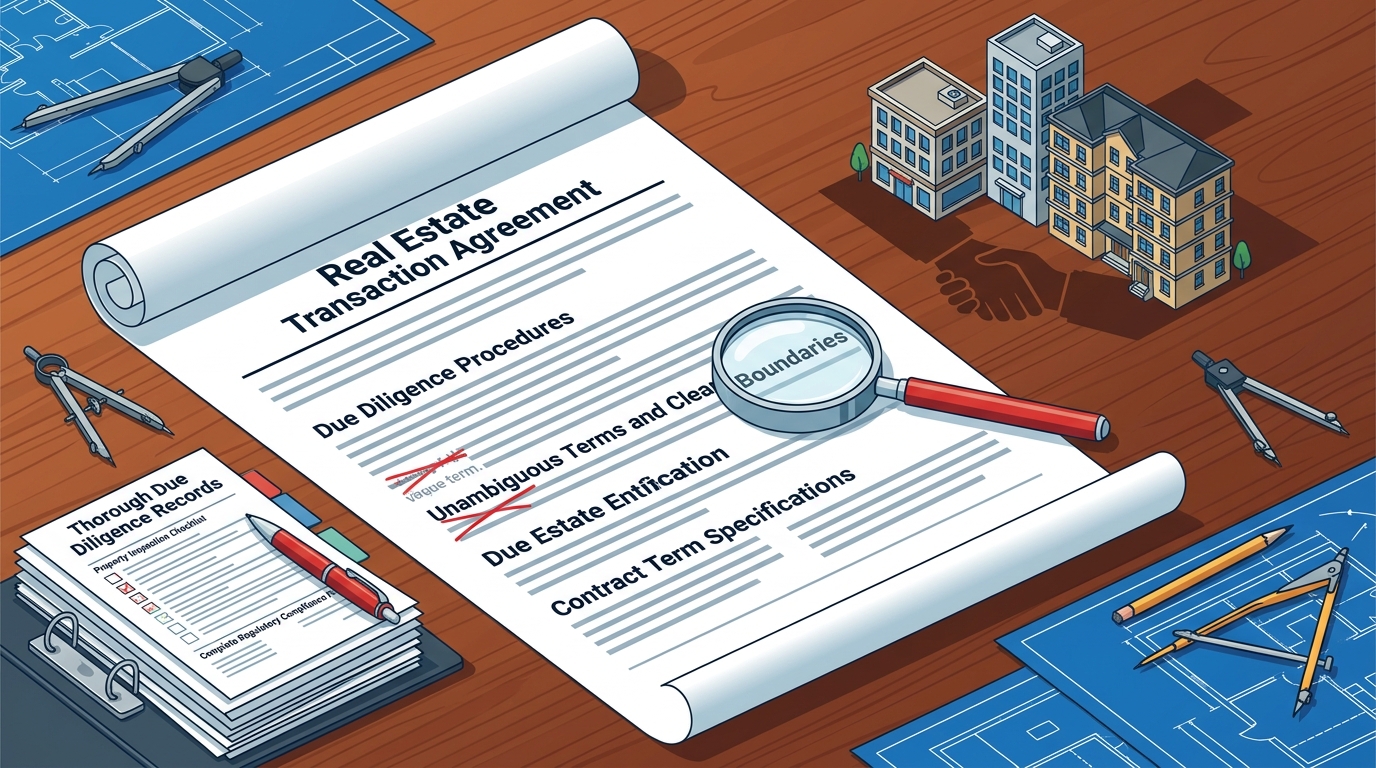
Due diligence is the investigative phase where buyers verify the accuracy of the seller's claims. In the multifamily industry, handling high cadence dockets requires the same precision and discipline we bring to our bet the company matters. Skipping this step is the primary cause of post-closing litigation.
Physical and Environmental Inspections
Physical inspections reveal structural defects, while environmental assessments uncover hidden liabilities like soil contamination or asbestos. Data shows that environmental issues can reduce property value by up to 30% if left unaddressed. You must engage specialized third-party experts to conduct these reviews. Their reports provide the leverage needed to renegotiate terms or walk away from a bad deal.
Title and Survey Review
Title defects can cloud ownership rights and prevent financing. A thorough title search identifies liens, easements, and encroachments that may not be apparent during a physical walkthrough. Survey reviews confirm boundary lines and zoning compliance. These documents are non-negotiable prerequisites for a secure transaction.
Learn more about our commercial real estate practice by visiting our services page.
Precision in Purchase Agreement Structures
The purchase agreement is the blueprint of the transaction. Ambiguity in this document is a breeding ground for litigation. Every clause must be drafted with specific intent to allocate risk appropriately between buyer and seller.
Representations and Warranties
Representations and warranties are factual statements made by the seller about the condition of the property and the business. If these statements prove false, the buyer has legal recourse. However, these must be carefully scoped. Overly broad warranties can lead to breach of fiduciary duty claims or contract claims. We focus on protecting our clients' equity, control, and economic interests by tailoring these provisions to the specific deal.
Indemnification and Escrow
Indemnification clauses dictate who bears the cost if a third party makes a claim against the property. Escrow accounts hold a portion of the purchase price in reserve to cover potential post-closing adjustments or discovered liabilities. This mechanism ensures that funds are available to resolve issues without immediate litigation. Our SMB/LMM mergers and acquisitions practice guides buyers and sellers through asset and equity purchase agreements, ensuring these protections are robust.
Explore our approach to legal insights on mergers and acquisitions.
Navigating Regulatory and Licensing Hurdles
Real estate transactions are heavily regulated. Compliance with local, state, and federal laws is not optional. Failure to comply can result in fines, revoked licenses, or voided contracts.
Zoning and Land Use
Zoning laws dictate how a property can be used. Before closing, verify that the intended use is permitted. If not, you may need to apply for a variance or rezoning. This process can be lengthy and uncertain. Our team handles regulatory permitting to ensure your project aligns with municipal codes. According to urban development reports, zoning disputes account for a significant percentage of delayed projects in major metropolitan areas.
Hospitality and Liquor Licensing
For hospitality real estate, liquor licensing is a critical component. We run a high volume hospitality and liquor licensing practice across Texas and New York, shepherding restaurants, bars, hotels, and other on premises operators through original applications, transfers, change of officer filings, and the full regulatory life cycle. A lapse in licensing can halt operations and destroy revenue streams. Ensure all transfers are filed correctly and on time.
Read our latest updates on hospitality law to stay informed.
Integrated Dispute Resolution Mechanisms
Even with perfect preparation, disputes can arise. Having a predefined resolution strategy saves time and money. Litigation should be the last resort, not the first option.
Mediation and Arbitration
Mediation involves a neutral third party helping disputing parties reach a voluntary agreement. Arbitration is a more formal process where an arbitrator makes a binding decision. Both methods are generally faster and less expensive than trial. Our disputes practice steps in with demand letters, injunctive relief, arbitration, and trial ready advocacy. We focus on resolving conflicts efficiently to protect your bottom line.
Litigation Strategy
When resolution fails, litigation becomes necessary. Business litigation and partnership disputes are a core area of expertise, covering business divorces, member and shareholder disputes, breach of fiduciary duty claims, governance fights, and contract claims. We stand alongside our clients as a true legal and business partner, with a strategy rooted in value, efficiency, and effectiveness.
Discover how we handle business litigation and disputes.
Key Takeaways
- Entity Structure Matters: Proper LLC or LP formation isolates personal assets from business liabilities, reducing personal risk in real estate deals.
- Due Diligence is Critical: Comprehensive physical, environmental, and title inspections prevent post-closing surprises and litigation.
- Contract Precision: Clear representations, warranties, and indemnification clauses allocate risk and define recourse for breaches.
- Regulatory Compliance: Adhering to zoning laws and licensing requirements avoids fines and operational shutdowns.
- Dispute Resolution: Integrating mediation and arbitration clauses provides faster, cheaper alternatives to trial.
- Experienced Counsel: Partnering with a firm like Warren Kalyan, established in 1980, ensures strategic guidance from formation to exit.
- Proactive Communication: Regular updates and clear communication between all parties reduce misunderstandings and build trust.
Frequently Asked Questions
What is the most common cause of real estate disputes?
The most common cause is ambiguous contract terms and inadequate due diligence. When parties do not clearly define their obligations or fail to verify property conditions, disputes inevitably arise post-closing.
How does entity formation protect real estate investors?
Entity formation creates a legal barrier between the investor's personal assets and the business's liabilities. If the property faces a lawsuit or financial loss, the investor's personal wealth is generally protected.
Why is environmental due diligence important?
Environmental due diligence identifies contamination or hazardous materials that could lead to massive cleanup costs and regulatory penalties. It protects the buyer from inheriting hidden liabilities.
Can I negotiate the purchase price after due diligence?
Yes. If due diligence reveals issues such as structural defects or title problems, you can negotiate a lower price, request repairs, or walk away from the deal entirely, depending on the contract terms.
What is the role of an operating agreement in real estate?
An operating agreement defines the rules for managing the property, including profit sharing, decision-making, and exit strategies. It prevents internal conflicts among partners and investors.
How long does the dispute resolution process take?
Mediation can be resolved in weeks, while arbitration may take months. Litigation can take years. The timeline depends on the complexity of the dispute and the chosen method.
Do I need a lawyer for a commercial real estate transaction?
While not legally required, having a lawyer is crucial. They ensure compliance, draft precise contracts, and protect your interests throughout the transaction.
Schedule Your Consultation
Protect your real estate investments with expert legal guidance. Warren Kalyan combines industry fluency with broad business law capabilities to serve as your strategic partner. Whether structuring a new entity, closing an acquisition, or resolving a dispute, we move swiftly, efficiently, and effectively.
Schedule a time to chat with our team today. We are committed to empowering your success through value-driven partnership. Contact us at TX: (512) 347-8777 or NY: (212) 516-6513.