

Commercial real estate transactions in the hospitality sector carry unique risks that standard lease templates often ignore. According to recent industry analyses, over 60% of hospitality business failures are linked to poor location strategy or unfavorable lease terms rather than operational inefficiencies. This statistic highlights why understanding the legal framework of your lease is not just a formality, but a critical survival mechanism for any restaurant, bar, or hotel operator. At Warren Kalyan, we see clients struggle with these exact issues because they treat leases as administrative hurdles instead of strategic assets. We execute from formation through exit, ensuring your real estate foundation supports your long-term growth. (Texas and New York)
Understanding Hospitality Leases
A hospitality lease is fundamentally different from a standard commercial lease. It is not merely a contract for space, but a license to operate a complex business that relies on foot traffic, regulatory compliance, and specific infrastructure. Hospitality lease is a specialized rental agreement that accounts for the dynamic nature of food and beverage operations. These agreements must address variables that do not exist in office or industrial leasing, such as exhaust ventilation requirements, liquor licensing dependencies, and exclusive use clauses.
Many operators fall into the trap of signing a generic commercial lease without realizing its limitations. This oversight can lead to catastrophic financial consequences when the business cannot operate as intended. Our firm specializes in navigating these complexities for clients across Texas and New York. We help you synthesize strategies that align your real estate obligations with your operational goals. Visit our services page to learn how we structure these deals for maximum protection.
The legal landscape for hospitality is constantly shifting. Recent regulatory changes in major cities have increased the scrutiny on lease terms related to public safety and zoning. Ignoring these nuances can result in fines or forced closures. We stand alongside our clients as a true legal and business partner, ensuring that every clause serves your equity and control.
Rent Structures and Hidden Costs
One of the most common pitfalls in hospitality leasing is misunderstanding the total cost of occupancy. Base rent is only the beginning. Operators often overlook percentage rent clauses, which can erode profit margins during peak seasons if not capped correctly. Percentage rent is a lease provision where the tenant pays a portion of their gross sales as additional rent. Without a clear cap or breakpoint, this structure can become a financial burden rather than a partnership incentive.
Another critical area is the Common Area Maintenance (CAM) charges. In multifamily or mixed-use developments, CAM charges can fluctuate wildly based on the landlord's operational decisions. Data shows that CAM escalations can exceed 10% annually in poorly negotiated leases. You must demand transparency in how these costs are calculated and capped. Our team reviews every line item to ensure you are not subsidizing the landlord's inefficiencies.
Utilities and infrastructure costs also pose significant risks. Hospitality businesses require massive electrical, plumbing, and HVAC capacity. If the lease does not clearly define who pays for upgrades or maintenance of these systems, you could face six-figure bills. We advise clients to negotiate clear boundaries on infrastructure responsibilities. This approach aligns with our philosophy of value-driven partnership, ensuring efficiency and effectiveness in every transaction.
Permitting and Regulatory Risks
Regulatory compliance is the backbone of any successful hospitality venture. A lease that does not address permitting contingencies can leave you paying rent for a space you cannot legally use. Permitting contingency is a lease clause that allows the tenant to terminate the agreement if specific government approvals are not obtained. Without this protection, you are locked into a financial obligation for a non-functional asset.
Liquor licensing is particularly sensitive in Texas and New York. The availability of a liquor license can depend on zoning, proximity to schools or churches, and the number of existing licenses in the area. If your lease does not make the obligation to pay rent contingent on receiving your liquor license, you risk operating without it or paying for a space that cannot support your core revenue stream. We run a high volume hospitality and liquor licensing practice, shepherding operators through the full regulatory life cycle.
Zoning changes can also derail a hospitality project. A property zoned for commercial use today might be reclassified tomorrow, affecting your ability to operate. You must include due diligence periods that allow you to verify zoning stability. Our blog posts on hospitality law frequently cover these emerging regulatory trends. Stay informed to protect your investment from unexpected legal shifts.
Exit Strategies and Termination
Most hospitality operators focus on opening their doors and forget about closing them. A lease without a clear exit strategy can trap you in a losing position. Co-tenancy clause is a provision that allows a tenant to reduce rent or terminate the lease if anchor tenants leave the property. This is crucial for retail and hospitality spaces that rely on foot traffic from neighboring businesses.
Assignment and subletting rights are another critical area. If your business model changes or you need to sell, you need the ability to transfer the lease. Landlords often restrict these rights, requiring unreasonable consent or fees. We negotiate for balanced assignment rights that allow you to monetize your leasehold interest. This flexibility is essential for long-term value creation.
Personal guarantees are perhaps the most dangerous pitfall for small business owners. Many landlords demand unlimited personal guarantees, putting your personal assets at risk. We advocate for capped or eliminated personal guarantees, especially for established operators. Our clients benefit from our aggressive negotiation tactics that protect their equity and control. We don't just advise, we execute.
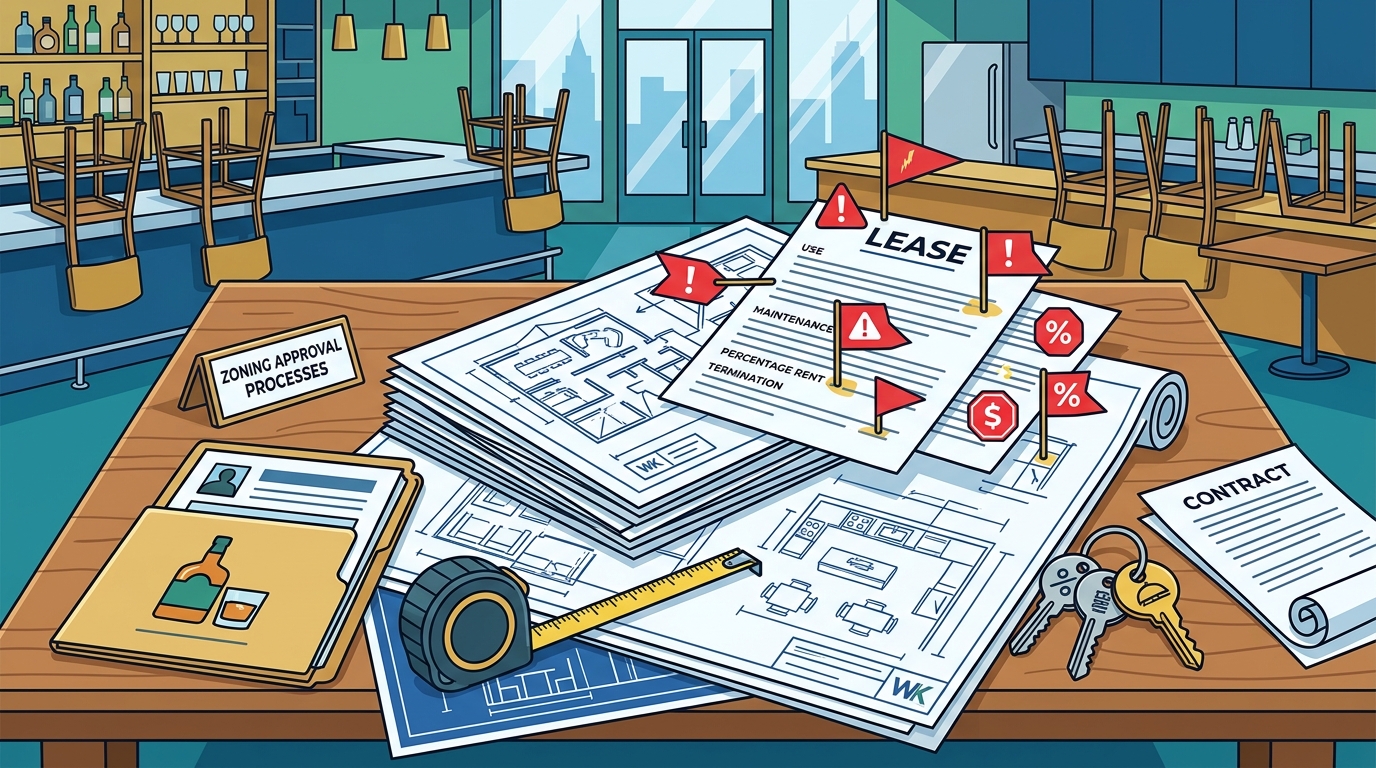
Lease Clause Comparison
The following table summarizes key lease clauses and their impact on hospitality operators. Understanding these distinctions is vital for successful negotiation.
| Clause Type | Standard Landlord Position | Recommended Tenant Protection | Impact on Business |
|---|---|---|---|
| Percentage Rent | Uncapped percentage of gross sales | Cap at 5-8% with a high breakpoint | Protects profit margins during growth |
| Permitting Contingency | No contingency, rent starts immediately | Rent abatement until licenses are issued | Prevents paying for non-operational space |
| Co-Tenancy | Excluded entirely | Right to terminate if anchor tenants leave | Maintains foot traffic and revenue |
| Personal Guarantee | Unlimited personal liability | Capped amount or sunset clause | Protects personal assets from business risk |
| Assignment Rights | Landlord consent required, no fee cap | Consent not to be unreasonably withheld | Allows for business flexibility and exit |
Key Takeaways
- Hospitality leases require specialized clauses that address regulatory and operational risks not found in standard commercial agreements.
- Permitting contingencies are non-negotiable for liquor licenses and health department approvals to avoid paying rent for unusable space.
- Percentage rent must be capped to prevent erosion of profit margins during successful periods.
- Co-tenancy clauses protect foot traffic by allowing rent reduction or termination if anchor tenants depart.
- Personal guarantees should be limited to protect personal assets from business liabilities.
- Warren Kalyan has been established since 1980, providing over four decades of legal expertise in Texas and New York.
- We are the #1 Best Business/Corporate Law Firm in Austin, as recognized by the 2026 Best of ATX Readers' Choice Awards.
Frequently Asked Questions
What is a permitting contingency in a hospitality lease?
A permitting contingency is a clause that allows the tenant to terminate the lease or abate rent if they cannot obtain necessary government permits, such as liquor licenses or health department approvals, within a specified timeframe.
Why are percentage rent caps important for restaurants?
Percentage rent caps are important because they prevent the landlord from taking a disproportionate share of your revenue during peak seasons, ensuring that your profit margins remain healthy as your business grows.
Can I negotiate out of a personal guarantee?
Yes, you can negotiate out of a personal guarantee, especially if you have strong financials or are part of a larger entity. We often negotiate for capped guarantees or sunset clauses that reduce liability over time.
What happens if an anchor tenant leaves the shopping center?
If you have a co-tenancy clause, you may be able to reduce rent or terminate the lease if anchor tenants leave. Without this clause, you may be forced to pay full rent despite reduced foot traffic.
How does Warren Kalyan help with hospitality leases?
We provide comprehensive legal support from formation through exit, including lease negotiation, regulatory permitting, and dispute resolution. Our team specializes in the unique needs of hospitality and multifamily real estate clients.
What is the difference between a hospitality lease and a standard commercial lease?
A hospitality lease includes specific provisions for regulatory compliance, infrastructure requirements, and operational flexibility that are not present in standard commercial leases, which are designed for static office or industrial use.
Why is early legal involvement critical in lease negotiations?
Early legal involvement allows us to identify risks before you sign, negotiate favorable terms, and ensure that your lease supports your long-term business strategy rather than hindering it.
Contact Warren Kalyan
Do not let a poorly negotiated lease jeopardize your hospitality business. Our team is ready to help you navigate the complexities of commercial real estate with precision and expertise. We combine industry fluency with broad business law capabilities to serve as your strategic partner. Contact Warren Kalyan today to schedule a consultation and protect your investment.