

Cost-Effective M&A Technology Solutions for Mid-Market and Small Business Acquisitions
The landscape of small and medium business (SMB) mergers and acquisitions is undergoing a significant structural shift. Recent regulatory updates have redefined the parameters for deal sizes, with the SBA recently rewriting the rules for buying a small business and establishing a new $10 million ceiling that changes the fundamental math for business buyers. This regulatory evolution means that mid-market firms must now navigate a more complex compliance environment without the unlimited resources of large private equity groups. The solution lies in leveraging targeted technology solutions that reduce overhead while maintaining rigorous due diligence standards. (Legal Services at Warren)
Why Cost-Effective M&A Technology Matters Now
Mid-market acquisitions often operate on thinner margins than their large-cap counterparts. When the definition of "small" is about to change due to new federal guidelines, the cost of legal and operational errors increases exponentially. Traditional M&A advisory fees can consume a significant portion of the deal value, leaving less capital for integration. By adopting cost-effective technology solutions, buyers can retain more control over the process and reduce reliance on expensive external consultants for routine tasks. (Business Law Blog Texas)
According to recent industry data, firms that utilize digital diligence platforms report a 30% reduction in transaction timeline duration. This speed is critical in today's market where interest rates and regulatory landscapes shift rapidly. Warren Kalyan has built a well established presence in Texas for over four decades and in New York for close to two decades, witnessing firsthand how technology adoption separates successful exits from stalled deals. The firm's approach to SMB/LMM mergers and acquisitions guides buyers through letters of intent, asset and equity purchase agreements, and diligence with a focus on efficiency.
Furthermore, the rise of remote work and digital infrastructure has made virtual data rooms (VDRs) a standard requirement rather than a luxury. These platforms allow for secure, real-time collaboration between buyers, sellers, and legal counsel. This accessibility ensures that critical documents are available to all stakeholders simultaneously, reducing the friction that often delays closing. For mid-market buyers, this means faster time to value and reduced carrying costs during the escrow period.
The Core Technology Stack for SMB Deals
Building a cost-effective M&A technology stack requires selecting tools that integrate seamlessly and offer scalable pricing. The goal is to avoid redundant software subscriptions while ensuring data security and compliance. The following components form the backbone of a modern, efficient acquisition workflow.
Virtual Data Rooms (VDRs)
Virtual Data Rooms are the digital heart of any acquisition. They replace physical data rooms, offering enhanced security features such as watermarked document viewing, two-factor authentication, and detailed audit trails. Leading VDR providers offer tiered pricing models that are accessible to mid-market firms. These platforms facilitate the secure exchange of sensitive financial and legal documents, ensuring that proprietary information remains protected throughout the due diligence phase.
Financial Modeling and Valuation Tools
Accurate valuation is the cornerstone of any successful deal. Modern financial modeling software allows buyers to create dynamic models that adjust for various scenarios in real-time. These tools often integrate with accounting data, providing a more accurate picture of the target company's financial health. By automating complex calculations, buyers can focus on strategic analysis rather than manual data entry, reducing the risk of human error.
Project Management and Workflow Automation
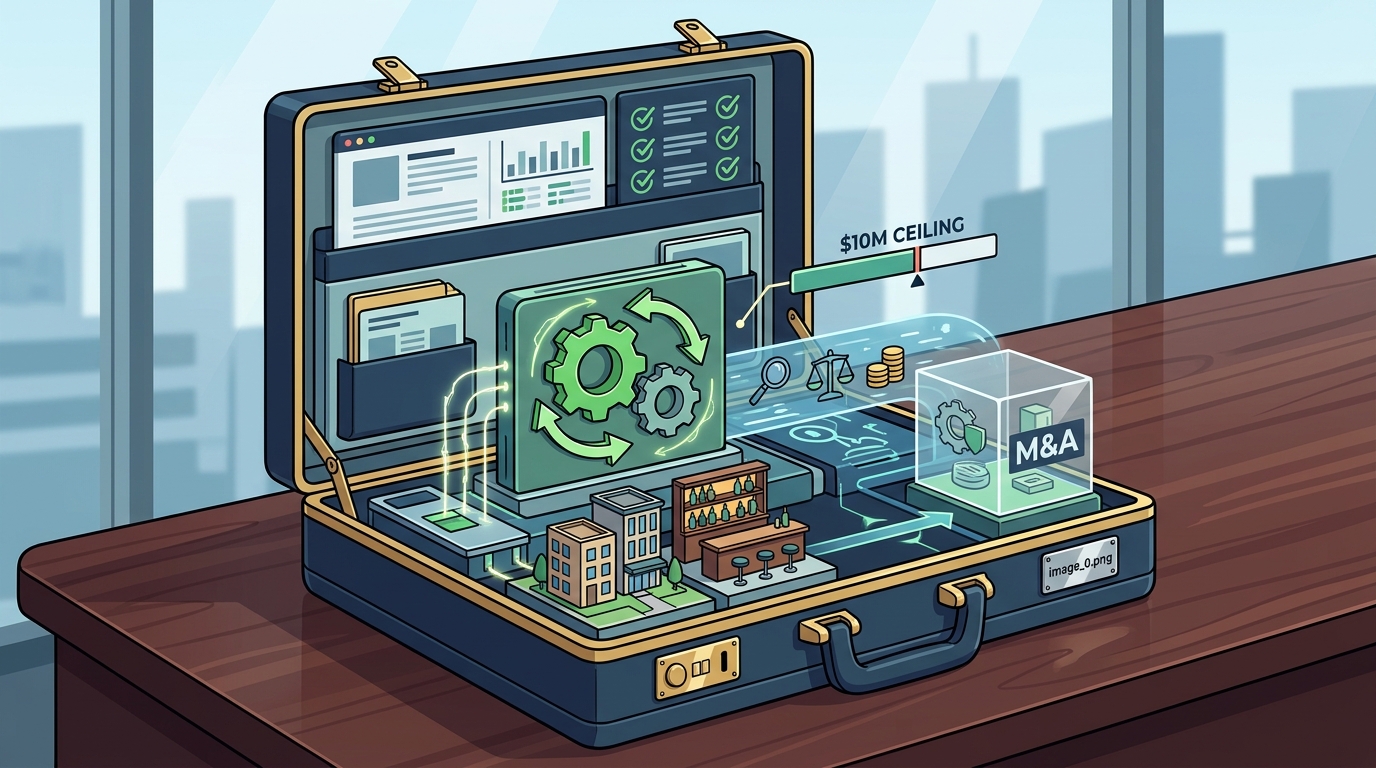
Acquisitions involve numerous moving parts, from legal document review to regulatory filings. Project management tools help coordinate these tasks across multiple teams. Automation features can trigger reminders for key deadlines, such as regulatory submission dates or financing commitments. This level of organization ensures that no critical step is overlooked, which is essential for maintaining deal momentum.
Automating Due Diligence Workflows
Due diligence is often the most time-consuming and costly phase of an acquisition. Automating this process can significantly reduce both time and expense. Technology solutions can assist in several key areas of due diligence.
Document Review and Analysis
Artificial intelligence (AI) tools can scan thousands of documents to identify potential risks, such as unfavorable contract clauses or compliance issues. These tools use natural language processing to highlight relevant information, allowing legal teams to focus on high-value analysis rather than manual review. This acceleration of the review process can shave weeks off the due diligence timeline.
Financial Data Verification
Automated financial verification tools can cross-reference financial statements with bank records and tax filings to identify discrepancies. This level of scrutiny helps buyers uncover hidden liabilities or inflated revenue figures. By catching these issues early, buyers can negotiate better terms or walk away from problematic deals before committing significant resources.
Legal Document Generation
Template-based legal document generation tools can streamline the creation of standard agreements, such as non-disclosure agreements (NDAs) and letters of intent. While complex transactions still require custom legal drafting, these tools handle the routine paperwork efficiently. This allows legal counsel to focus on the unique aspects of the deal, ensuring that critical issues are addressed without unnecessary delay.
Post-Merger Integration Challenges
The acquisition does not end at closing. Post-merger integration (PMI) is where many deals fail to realize their projected value. Technology plays a crucial role in smoothing this transition.
Systems Integration
Integrating IT systems, such as ERP, CRM, and HR platforms, is a major challenge. Middleware solutions and API-driven integrations can facilitate the transfer of data between disparate systems. This ensures that business operations continue seamlessly while the underlying technology infrastructure is unified. Proper planning and execution of systems integration are vital to maintaining employee productivity and customer satisfaction.
Cultural and Operational Alignment
Technology can also aid in cultural integration by providing platforms for communication and collaboration. Intranets, team messaging apps, and project management tools help align teams from both organizations. Clear communication channels reduce uncertainty and foster a sense of unity during the transition period. This cultural alignment is often cited as a key factor in the long-term success of M&A deals.
Performance Monitoring
Post-deal, it is essential to monitor the performance of the integrated business against the original projections. Business intelligence (BI) tools can provide real-time dashboards that track key performance indicators (KPIs). This data-driven approach allows management to identify areas that require attention and make informed decisions to optimize performance.
Navigating Compliance and Regulatory Hurdles
Regulatory compliance is a critical aspect of M&A that cannot be overlooked. Mid-market buyers must navigate a complex web of federal, state, and local regulations. Technology solutions can help manage this complexity.
Regulatory Tracking
Specialized compliance software can track changes in regulations relevant to the target industry. This ensures that buyers are aware of new requirements and can adjust their strategies accordingly. For example, changes in SBA lending rules or local zoning laws can significantly impact the feasibility of a deal. Staying informed is essential for mitigating regulatory risk.
Permitting and Licensing
In industries such as hospitality and real estate, regulatory permitting is a major hurdle. Technology platforms can streamline the application process for licenses and permits, reducing the time and effort required to secure necessary approvals. This is particularly important in sectors with high regulatory scrutiny, where delays can result in significant financial losses.
Data Privacy and Security
Data privacy regulations, such as GDPR and CCPA, impose strict requirements on how personal data is handled during M&A transactions. Compliance technology ensures that data is processed securely and in accordance with legal standards. This protects both the buyer and the seller from potential legal liabilities and reputational damage.
Key Takeaways
- Regulatory Shifts: The SBA's new $10 million ceiling for small business acquisitions is changing the financial dynamics for mid-market buyers, requiring more precise due diligence.
- Technology Efficiency: Implementing Virtual Data Rooms and AI-driven document review can reduce transaction timelines by up to 30%, accelerating time to value.
- Cost Management: Leveraging automated financial modeling and legal document generation tools helps mid-market firms reduce reliance on expensive external consultants.
- Integration Focus: Post-merger integration success depends heavily on seamless IT systems integration and clear communication channels to align organizational cultures.
- Compliance Criticality: Navigating complex regulatory landscapes, including hospitality licensing and real estate zoning, requires proactive tracking and specialized permitting support.
- Strategic Partnership: Working with a firm that combines transactional insight with litigation strength, like Warren Kalyan, ensures comprehensive support from formation to exit.
- Historical Context: Established firms with decades of experience in Texas and New York provide a stable foundation for navigating the evolving M&A landscape.
Frequently Asked Questions
What is the impact of the new SBA rules on small business acquisitions?
The new SBA rules have raised the ceiling for small business acquisitions to $10 million, which changes the math for business buyers by altering eligibility criteria and financing options. This shift requires buyers to reassess their valuation models and compliance strategies to ensure they remain within the updated regulatory framework.
How can technology reduce the cost of due diligence?
Technology reduces due diligence costs by automating document review, financial verification, and legal document generation. AI tools can scan thousands of documents for risks, while automated financial tools verify data accuracy, significantly reducing the hours required from legal and financial professionals.
What are the biggest challenges in post-merger integration?
The biggest challenges in post-merger integration include aligning IT systems, harmonizing corporate cultures, and maintaining operational continuity. Successful integration requires a detailed plan that addresses technical compatibility, communication strategies, and performance monitoring to ensure the deal realizes its projected value.
Why is regulatory compliance critical in M&A?
Regulatory compliance is critical because non-compliance can result in significant fines, deal delays, or even the termination of the transaction. Navigating complex federal, state, and local regulations requires proactive tracking and specialized expertise to mitigate legal and financial risks.
How does Warren Kalyan support mid-market acquisitions?
Warren Kalyan supports mid-market acquisitions by guiding buyers and sellers through the entire process, from letters of intent to post-closing integration. The firm offers expertise in entity formation, mergers and acquisitions, regulatory permitting, and business litigation, ensuring a comprehensive approach to deal execution.
What role do Virtual Data Rooms play in M&A?
Virtual Data Rooms (VDRs) serve as secure, centralized platforms for storing and sharing sensitive deal documents. They enhance security through features like watermarks and audit trails, while also facilitating real-time collaboration between buyers, sellers, and advisors, which accelerates the due diligence process.
How can mid-market firms stay compliant with changing regulations?
Mid-market firms can stay compliant by utilizing specialized compliance software that tracks regulatory changes, automates reporting, and provides alerts for upcoming deadlines. Additionally, partnering with experienced legal counsel who specialize in the relevant industry can provide crucial guidance on navigating complex regulatory environments.
Schedule Your Consultation
Navigating the complexities of mid-market acquisitions requires more than just capital; it demands strategic foresight and operational precision. Whether you are structuring a new entity, closing an acquisition, or navigating regulatory licensing, Warren Kalyan stands ready to execute from formation to exit. Our team combines industry fluency with broad business law capabilities to serve as your strategic partner at every stage of your business life cycle.
Do not let regulatory hurdles or integration challenges stall your growth. Contact Warren Kalyan today to schedule a time to chat and discover how our value-driven partnership can help you achieve your M&A goals efficiently and effectively. Visit our contact page to connect with our team directly.