

Understanding Lease Structure and Term Length
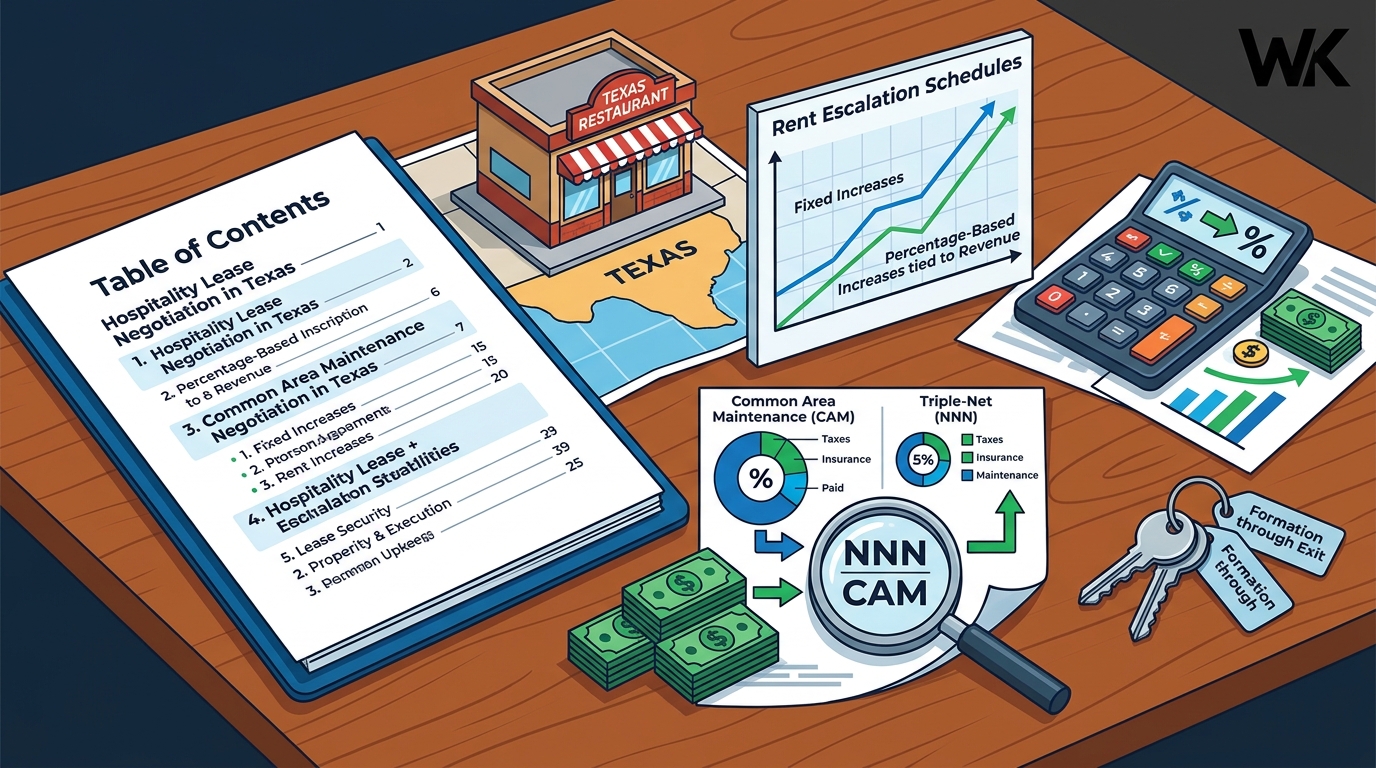
Owners should also negotiate the rent escalation schedule. Fixed increases are predictable, but percentage-based increases tied to revenue can be more favorable during slow periods. It is critical to define whether the rent includes common area maintenance (CAM) charges. In Texas, many leases are triple-net, meaning the tenant pays for taxes, insurance, and maintenance. Understanding these components upfront prevents budget surprises that can erode profit margins in the hospitality industry.
Operational Clauses and Use Restrictions
Hospitality businesses face unique operational challenges that standard office leases do not address. Permitted use is the clause that defines exactly what activities the tenant can conduct on the premises. A vague use clause, such as "restaurant," can be problematic if you plan to add a bar, live music, or late-night operations. You must explicitly include all intended services, including alcohol sales, to avoid future disputes with the landlord or local authorities.
Additionally, you need to negotiate clauses regarding noise, odor, and operating hours. Texas municipalities have strict regulations on noise and alcohol service, and your lease should reflect these realities. If the landlord imposes restrictions that conflict with local ordinances, it can create a compliance trap. For example, a lease that limits operating hours to 10 PM may conflict with a city ordinance that allows service until 2 AM. Aligning the lease with local regulations is essential for a smooth operation.
Regulatory Compliance and Licensing
Securing the right to operate is as important as securing the space. Regulatory compliance is the process of ensuring that the business meets all state, county, and municipal legal requirements. In Texas, this includes obtaining the necessary alcohol licenses from the Texas Alcoholic Beverage Commission (TABC) and local municipal authorities. The lease should include a clause where the landlord agrees to cooperate with the tenant’s licensing efforts, including providing necessary documents and access to the property for inspections.
It is also crucial to address what happens if a license is denied or revoked. A well-drafted lease will include a termination right if the tenant cannot obtain the necessary permits through no fault of their own. This protects your investment in build-out and equipment. It is advisable to include a "license contingency" in the lease, which allows the tenant to walk away without penalty if the required licenses are not granted.
Financial Protections and Exit Strategies
Financial stability is the backbone of any hospitality venture. Security deposit is the sum of money paid by the tenant to the landlord as a guarantee of performance. In Texas, commercial security deposits can be substantial, often covering several months of rent. You should negotiate the terms for the return of this deposit, including the timeline and the conditions for its release. A clear return policy prevents disputes at the end of the lease term.
Exit strategies are equally important. You should negotiate break clauses that allow you to terminate the lease early under specific conditions, such as a significant drop in revenue or a change in local zoning laws. These clauses provide a safety net if the business environment changes unexpectedly. By including these financial protections, you reduce the risk of being locked into a long-term commitment that no longer serves your business needs.
Dispute Resolution and Enforcement
Even the best-negotiated leases can lead to disputes. Dispute resolution is the process of resolving conflicts between the landlord and tenant. In Texas, many commercial leases include arbitration clauses, which require disputes to be resolved by a neutral third party rather than in court. Arbitration can be faster and less expensive than litigation, but it also limits your ability to appeal the decision. You should carefully consider whether arbitration is the right choice for your business.
It is also important to define the notice requirements for any breach of the lease. A clear notice process ensures that both parties have the opportunity to cure any violations before legal action is taken. This can prevent minor issues from escalating into major disputes. Having a dedicated legal team to handle these complex interactions is important, ensuring that your rights are protected at every stage of the lease lifecycle.
Key Takeaways
- Lease term should align with your business growth strategy, balancing flexibility with cost efficiency.
- Permitted use must explicitly include all intended hospitality services, including alcohol sales and late-night operations.
- Regulatory compliance clauses should ensure landlord cooperation in obtaining necessary licenses and permits.
- Security deposit terms must clearly define the conditions and timeline for its return.
- Dispute resolution mechanisms, such as arbitration, should be carefully evaluated for their impact on your business.
- Always include a license contingency to protect your investment if permits are denied.
Frequently Asked Questions
What is the most important clause in a hospitality lease?
The permitted use clause is critical because it defines exactly what you can do on the premises. If it is too vague, you may face restrictions on your operations, such as alcohol sales or late-night hours. Ensure it covers all your intended services.
How long should a commercial lease be for a restaurant?
Can I terminate the lease if I cannot get a liquor license?
Yes, if you include a license contingency in the lease. This clause allows you to terminate the agreement without penalty if the necessary licenses are denied through no fault of your own. It is a crucial protection for hospitality businesses.
What is a triple-net lease?
A triple-net lease is a type of commercial lease where the tenant is responsible for paying the property taxes, insurance, and maintenance costs in addition to the base rent. This is common in Texas and can significantly impact your operating expenses.
Who should negotiate my commercial lease?
You should work with a business law firm that specializes in hospitality and real estate. Warren Kalyan provides expert guidance on lease negotiation, ensuring that your legal and operational needs are aligned.
What happens if the landlord violates the lease?
If the landlord violates the lease, you may have the right to terminate the agreement or seek damages. The specific remedies depend on the terms of the lease and the nature of the violation. It is important to have a clear dispute resolution process in place.
Conclusion
Negotiating a commercial lease in Texas is a complex process that requires careful attention to detail. By focusing on key terms such as lease structure, operational clauses, and regulatory compliance, you can protect your business and ensure a successful operation. Warren Kalyan is committed to helping hospitality owners navigate these challenges with strategic, value-driven legal counsel. To discuss your lease needs, contact our team for a consultation.