
Negotiating Commercial Leases for Hospitality Venues: A Legal & Operational Guide
Commercial real estate represents the single largest fixed cost for most hospitality operators, often consuming between 8 to 12 percent of gross revenue. According to industry data, a poorly structured lease can erode profitability faster than operational inefficiencies. For restaurant owners, bar operators, and hotel developers, the lease is not merely a contract; it is the foundational framework for your business model. Navigating the complexities of zoning, liquor licensing, and build-out allowances requires more than standard legal advice. It demands a strategic partnership that understands the unique regulatory landscape of Texas and New York. (Contact Us warren kalyan)
Understanding the Hospitality Lease Structure
A commercial lease for a hospitality venue differs significantly from a standard office or retail lease. The operational intensity of a restaurant or bar places unique demands on the property, including heavy ventilation requirements, grease trap installations, and extended operating hours. These factors necessitate specific clauses that protect the operator from unforeseen capital expenditures. (Legal Services at Warren)
Triple Net (NNN) vs. Gross Leases is a fundamental distinction. In a Triple Net lease, the tenant pays base rent plus property taxes, insurance, and maintenance. For hospitality venues, this can lead to unpredictable costs if the building's infrastructure fails. Conversely, a Gross Lease offers more predictability but often comes with a higher base rent. Understanding the trade-off is critical for cash flow management. (Texas and New York)
At Warren Kalyan, we help clients synthesize these strategies to stand alongside them as a true legal and business partner. Our approach is rooted in value, efficiency, and effectiveness, ensuring that the lease terms align with the long-term viability of the hospitality business. (Texas and New York)
Critical Negotiation Points for Operators
Negotiating a commercial lease requires precision. The following areas are where most operators lose leverage and where strategic legal intervention can save millions. (Business Law Blog Texas)
1. Exclusive Use Clauses
An exclusive use clause prevents the landlord from leasing other spaces in the same building or complex to a direct competitor. For a bar or restaurant, this is vital. Without it, a landlord might lease adjacent space to a competing venue, diluting your customer base. We ensure these clauses are narrowly defined to protect your specific concept while remaining enforceable.
2. Tenant Improvement (TI) Allowances
Hospitality venues require extensive build-outs. Negotiating a generous TI allowance is essential. This allowance should cover not just cosmetic updates but also critical infrastructure like HVAC upgrades, plumbing for high-volume kitchens, and electrical capacity for commercial equipment. We guide buyers and sellers through the diligence process to ensure these allowances are realistic and funded.
3. Permitted Use and Liquor Licensing
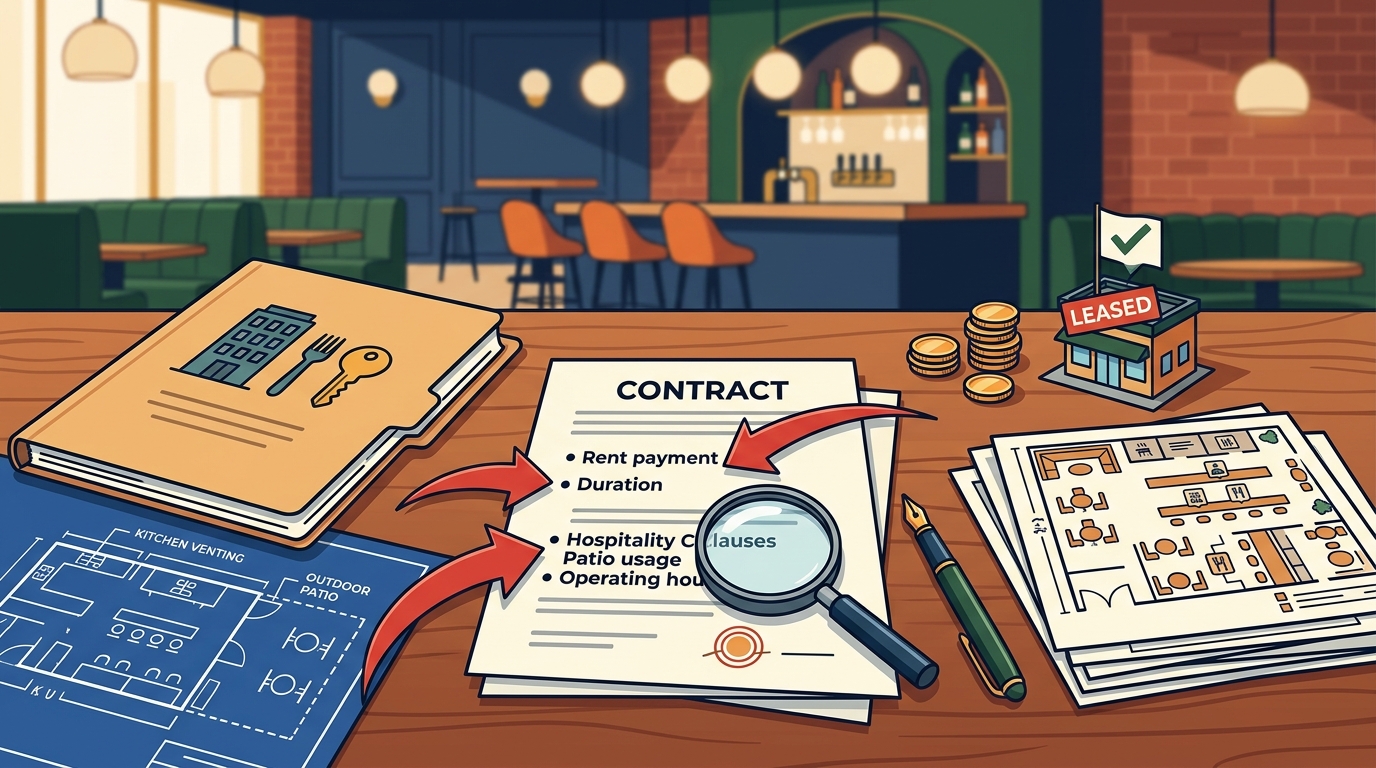
The lease must explicitly permit the intended use, including the sale of alcohol. If the lease is vague, you risk being unable to obtain a liquor license, which can be a dealbreaker. We shepherd operators through original applications, transfers, and change of officer filings to ensure the lease supports the regulatory lifecycle.
Zoning and Liquor Licensing Contingencies
Zoning laws in Texas and New York are complex and vary by municipality. A property might be zoned for commercial use but restricted from serving alcohol or operating late at night. These regulatory hurdles are not just legal technicalities; they are operational realities.
Texas Alcoholic Beverage Commission (TABC) regulations are particularly stringent. Recent changes, such as those regarding hemp and CBD products, require constant vigilance. According to TABC guidelines, license holders must stay updated on Section 35.7 to remain compliant. Our high-volume hospitality and liquor licensing practice ensures that your lease includes contingencies for zoning approval and liquor license issuance.
In New York City, the regulatory landscape is equally dense. According to NYC Department of Consumer and Worker Protection, small businesses face over 50 regulatory reforms annually. We help you navigate these reforms, ensuring your lease protects you from sudden compliance costs or operational restrictions.
Tax Incentives and Abatement Strategies
Many commercial properties in Texas and New York qualify for tax abatements or incentives that can significantly reduce your operating costs. These incentives are often tied to specific locations, such as Enterprise Zones or Opportunity Zones. Identifying and securing these benefits requires early engagement with legal and tax professionals.
We leverage innovative technology and digital-enabled processes to identify these opportunities. By pairing in-depth technical knowledge with unrelenting advocacy, we deliver the creative, strategic, and value-driven representation you need to succeed. This includes analyzing the impact of new SBA rules on your financing options and ensuring your lease terms do not conflict with government-backed loan requirements.
Litigation and Dispute Resolution
Even with the best negotiations, disputes can arise. Whether it is a landlord failing to maintain common areas, a dispute over rent escalations, or a breach of the exclusive use clause, having a robust dispute resolution strategy is essential. Our disputes practice steps in with demand letters, injunctive relief, arbitration, and trial-ready advocacy.
Business litigation and partnership disputes are a core area of expertise for us. We cover business divorces, member and shareholder disputes, breach of fiduciary duty claims, governance fights, and contract claims. Our focus is on protecting your equity, control, and economic interests. When things get rocky, we provide the strategic advocacy needed to resolve issues swiftly and effectively.
Key Takeaways
- Cost Impact: Commercial real estate typically consumes 8-12% of gross revenue for hospitality venues, making lease terms critical to profitability.
- Regulatory Complexity: Liquor licensing and zoning laws in Texas and New York require specialized legal navigation to avoid operational shutdowns.
- Exclusive Use: Negotiating exclusive use clauses protects your brand from direct competition within the same property complex.
- TI Allowances: Tenant Improvement allowances must cover heavy infrastructure needs, not just cosmetic updates, to ensure operational viability.
- Tax Incentives: Early identification of tax abatements and SBA financing options can significantly reduce long-term capital costs.
- Dispute Resolution: A clear dispute resolution strategy in the lease can save time and money if conflicts arise with the landlord.
- Warren Kalyan's Role: Established in 1980, we provide integrated transactional and litigation support from formation through exit.
Frequently Asked Questions
What is a hospitality commercial lease?
A hospitality commercial lease is a specialized rental agreement for properties used in the hospitality industry, such as restaurants, bars, and hotels. It includes specific clauses addressing liquor licensing, zoning, heavy infrastructure needs, and operational hours that differ from standard commercial leases.
How do I negotiate tenant improvement allowances?
To negotiate tenant improvement (TI) allowances, you must provide a detailed budget of your build-out costs, including infrastructure upgrades like HVAC and plumbing. Warren Kalyan helps clients synthesize these strategies to ensure the allowance is realistic and sufficient for your operational needs.
What are the zoning requirements for a restaurant in Texas?
Zoning requirements in Texas vary by municipality but generally require the property to be zoned for commercial use with specific allowances for food service and alcohol sales. According to TABC regulations, license holders must also comply with specific distance requirements from schools and churches.
Can I sublease my hospitality venue?
Subleasing is typically subject to the landlord's consent. It is crucial to negotiate subleasing rights early in the lease negotiation process. We help clients structure these clauses to maintain flexibility for future business changes or exits.
What happens if I cannot obtain a liquor license?
If you cannot obtain a liquor license, it can be a dealbreaker for your business model. Our leases include contingencies that allow you to terminate the agreement without penalty if the necessary licenses are not granted, protecting your deposit and legal fees.
How do tax abatements work for commercial real estate?
Tax abatements are incentives provided by local governments to encourage development in specific areas. They can reduce property taxes for a set period. Identifying these opportunities requires early engagement with legal and tax professionals to ensure compliance and maximize benefits.
What is the role of a business law firm in lease negotiation?
A business law firm provides strategic advice on lease terms, negotiates on your behalf, ensures regulatory compliance, and mitigates legal risks. Warren Kalyan executes from formation through exit, helping clients think through issues and synthesize strategies for long-term success.
Schedule Your Consultation
Negotiating a commercial lease for a hospitality venue is a high-stakes endeavor that requires more than just legal knowledge. It demands a deep understanding of the operational, regulatory, and financial nuances of the industry. At Warren Kalyan, we combine industry fluency with broad business law capabilities to serve as your strategic partner.
We help our clients think through issues, synthesize strategies, and stand alongside them as a true legal and business partner. Whether you are structuring a new entity, closing an acquisition, navigating regulatory licensing, or executing a sale, we move swiftly, efficiently, and effectively.
Do not leave your business's future to chance. Schedule a time to chat with our team today. We are ready to help you secure a lease that supports your growth and protects your interests.