

Critical Mistakes That Derail Real Estate Deals and How to Prevent Them
Real estate transactions are high-stakes environments where minor oversights can trigger massive financial liabilities. According to recent industry analyses, nearly 30% of commercial real estate deals fail to close due to preventable due diligence errors or regulatory missteps. This statistic highlights that the difference between a successful acquisition and a costly failure often lies in the details of legal and operational preparation. At Warren Kalyan, we see these patterns repeatedly across Texas and New York markets. Our firm has built a reputation on executing deals from formation through exit, ensuring that clients do not just advise but actively protect their equity and control. This guide outlines the most common derailers and provides actionable strategies to keep your transaction on track. (Legal Services at Warren)
1. Inadequate Due Diligence and Hidden Liabilities
Due diligence is the foundation of any successful real estate transaction. Many buyers rush this phase, leading to the discovery of environmental hazards, title defects, or structural issues only after closing. Due diligence is the systematic investigation of a property's legal, financial, and physical condition before a purchase is finalized. When this process is skipped or performed superficially, buyers inherit liabilities that can exceed the property's value.
In Texas, environmental regulations are particularly strict. A failure to identify contaminated soil or water can result in millions in cleanup costs. Similarly, in New York, historic preservation laws may restrict renovations, impacting the intended use of the property. Our firm integrates transactional insight with litigation strength to uncover these issues early. We review title reports, survey discrepancies, and existing leases to ensure that the asset matches the buyer's expectations. By conducting a thorough review, we prevent post-closing surprises that can derail the deal or destroy profitability.
2. Zoning, Permitting, and Regulatory Oversights
Zoning laws dictate what can be built or operated on a specific piece of land. Misunderstanding these regulations is a primary cause of deal failure. Zoning is the legal framework that governs land use, building density, and structural requirements within a municipality. For hospitality and multifamily sectors, this is especially critical. A restaurant owner might purchase a property only to find that the liquor license cannot be transferred or that the zoning prohibits the intended business model.
Warren Kalyan operates a high-volume hospitality and liquor licensing practice across Texas and New York. We shepherd operators through original applications, transfers, and change of officer filings. This expertise ensures that regulatory hurdles are cleared before the deal closes. For example, recent changes in Texas law regarding commercial property tax caps have altered the financial calculus for many owners. Understanding these shifts is vital for accurate valuation. We also monitor local ordinance changes, such as Austin's rental fee disclosure rules, to ensure compliance from day one. Ignoring these regulatory nuances can lead to fines, forced closures, or the inability to operate the business as planned.
3. Flawed Entity Structure and Governance
The legal structure of the buying entity determines liability protection and tax efficiency. Many investors form entities hastily without considering long-term exit strategies or partner disputes. Entity formation is the legal process of creating a business structure, such as an LLC or corporation, to separate personal assets from business liabilities. A poorly drafted operating agreement can lead to governance fights or breach of fiduciary duty claims down the line.
Our SMB/LMM mergers and acquisitions practice guides buyers through the complexities of entity formation and governance. We help clients synthesize strategies that align with their operational goals. For instance, when structuring a joint venture for a multifamily development, clear provisions for capital calls and decision-making are essential. Delaware's recent changes to entity law highlight the importance of staying current with statutory requirements. We ensure that your entity is not just a legal formality but a robust shield against future disputes. This proactive approach protects your equity and control, which are often the primary motivations for entering a real estate deal.
4. Financing Gaps and Capital Raising Errors
Real estate deals often collapse due to financing contingencies that are not properly managed. Buyers may overestimate their borrowing capacity or underestimate closing costs. Capital raising is the process of securing the necessary funds to finance a real estate acquisition, including equity and debt instruments. Recent changes to SBA lending rules, such as the new $10 million ceiling, have altered the landscape for small business buyers. Understanding these shifts is crucial for accurate financial planning.
We assist clients with SBA and conventional financing, ensuring that loan commitments are secured before the deal is signed. This includes negotiating favorable terms and ensuring that the lender's requirements align with the transaction timeline. A financing gap can force a buyer to walk away from a property, losing earnest money and time. By integrating financial strategy with legal execution, we help clients secure the capital they need to close confidently. This includes reviewing loan documents for hidden clauses that could impact future operations or resale value.
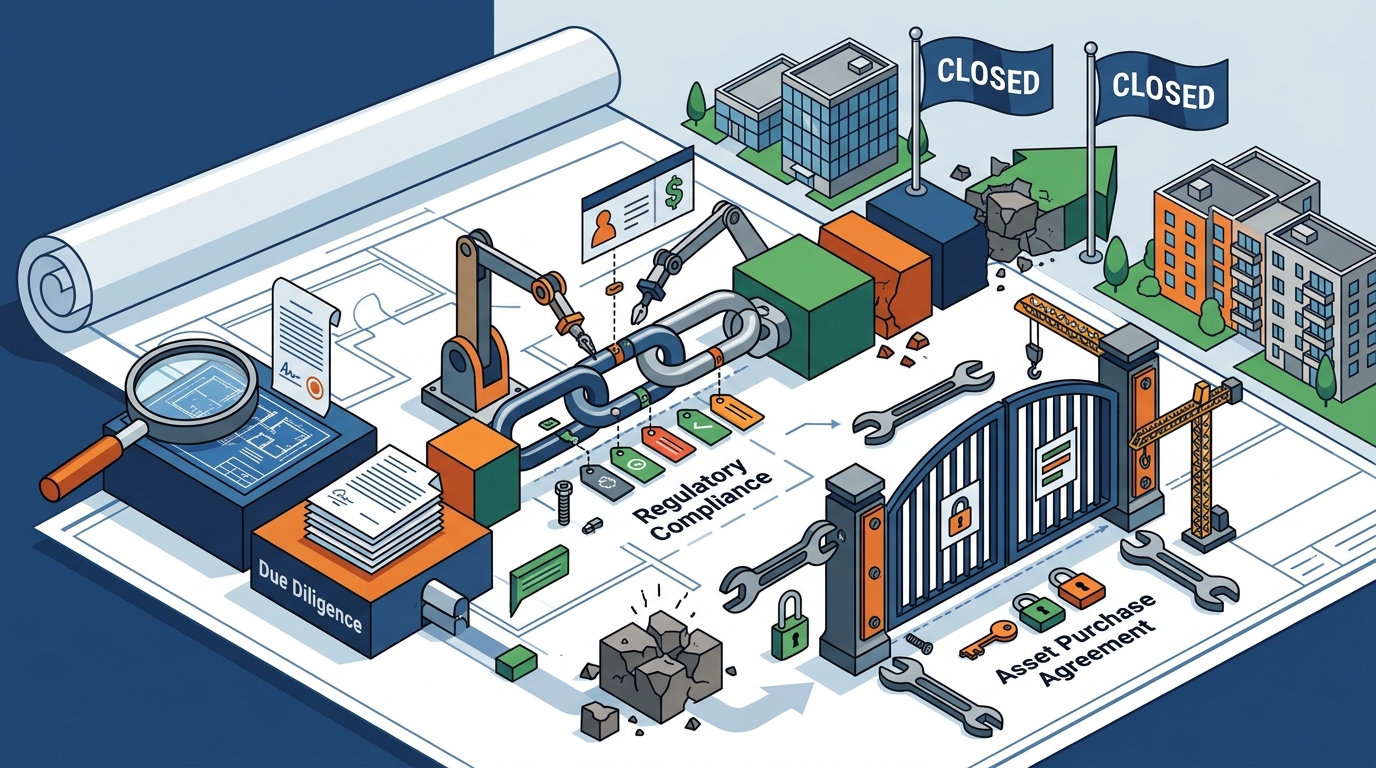
5. Contract Ambiguity and Dispute Risks
Real estate contracts are complex legal documents that define the rights and obligations of all parties. Ambiguity in these contracts can lead to costly litigation. Contract ambiguity refers to unclear or conflicting language in a legal agreement that can lead to disputes over interpretation. Common issues include vague descriptions of included assets, unclear timelines for closing, and insufficient dispute resolution mechanisms.
Our disputes practice steps in when things get rocky, providing demand letters, injunctive relief, and trial-ready advocacy. However, the best strategy is prevention. We draft and review purchase agreements to ensure that every term is precise and enforceable. This includes addressing contingencies for inspections, financing, and zoning approvals. By eliminating ambiguity, we reduce the risk of post-closing disputes. We also handle business divorces and partner disputes, focusing on protecting our clients' economic interests. A well-drafted contract is your first line of defense against derailment.
Comparison of Deal Risks and Mitigation Strategies
| Risk Category | Common Mistake | Consequence | Mitigation Strategy |
|---|---|---|---|
| Due Diligence | Skipping environmental or title checks | Inherited liabilities and cleanup costs | Comprehensive third-party inspections and title review |
| Zoning & Permitting | Assuming existing use is legal | Fines, forced closure, or inability to operate | Pre-purchase zoning verification and license transfer planning |
| Entity Structure | Generic operating agreements | Governance fights and loss of control | Customized entity formation and governance provisions |
| Financing | Inaccurate capital projections | Deal failure and lost earnest money | Early lender engagement and SBA financing strategy |
| Contract Terms | Vague asset and timeline clauses | Post-closing litigation and delays | Precise drafting and contingency planning |
Key Takeaways
- Due Diligence is Non-Negotiable: Thorough investigation of title, environmental, and physical conditions prevents inherited liabilities.
- Regulatory Compliance is Critical: Zoning and licensing must be verified before closing, especially in hospitality and multifamily sectors.
- Entity Structure Protects Equity: Proper formation and governance provisions safeguard against future disputes and loss of control.
- Financing Strategy Prevents Collapse: Early engagement with lenders and understanding of SBA rules ensures capital availability.
- Precise Contracts Reduce Litigation: Clear, unambiguous terms minimize the risk of post-closing disputes and delays.
- Warren Kalyan's Integrated Approach: Combining transactional insight with litigation strength provides comprehensive protection.
- Proactive Legal Partnership: Engaging counsel early in the process allows for strategic planning rather than reactive problem-solving.
Frequently Asked Questions
What is the most common reason real estate deals fail?
The most common reason is inadequate due diligence, which leads to the discovery of hidden liabilities such as environmental hazards or title defects after the contract is signed.
How does zoning affect a real estate transaction?
Zoning determines the legal use of the property. If the intended use is not permitted, the buyer may face fines, be forced to change the use, or be unable to operate the business at all.
Why is entity structure important in real estate?
Entity structure determines liability protection and tax efficiency. A flawed structure can lead to personal asset exposure and governance disputes among partners.
What role does the SBA play in real estate acquisitions?
The SBA provides financing options for small business acquisitions. Recent changes to SBA rules, such as the $10 million ceiling, impact how buyers can finance their deals.
How can I prevent contract disputes in a real estate deal?
Prevent disputes by ensuring all contract terms are precise and unambiguous. Include clear contingencies for inspections, financing, and zoning approvals.
Does Warren Kalyan handle liquor licensing?
Yes, we operate a high-volume hospitality and liquor licensing practice across Texas and New York, handling applications, transfers, and regulatory compliance.
What is the difference between transactional and litigation support?
Transactional support focuses on drafting and negotiating agreements to close deals. Litigation support involves resolving disputes that arise during or after the transaction.
Schedule Your Consultation
Real estate deals are complex, and the margin for error is slim. At Warren Kalyan, we provide the strategic legal partnership you need to navigate these challenges. From entity formation to exit, we execute with precision and efficiency. Do not let critical mistakes derail your investment. Contact us today to schedule a time to chat and ensure your next deal closes successfully.
Schedule a time to chat with our team to discuss your specific needs.