

Real estate transactions involve massive capital deployments and intricate regulatory layers, making them highly susceptible to friction. According to recent industry data, over 60 percent of commercial real estate deals encounter at least one significant dispute during the closing phase. These conflicts often stem from title defects, financing failures, or undisclosed property conditions. When these issues arise, the difference between a smooth closing and a costly litigation battle depends entirely on the mitigation strategy selected. This guide outlines the precise legal mechanisms available to protect your equity and ensure transactional continuity.
Understanding Common Dispute Triggers
Before selecting a mitigation strategy, you must identify the root cause of the friction. In the context of business law and real estate, disputes rarely occur in a vacuum. They are usually symptoms of structural weaknesses in the initial agreement or unforeseen regulatory shifts. Warren Kalyan has observed that the most volatile disputes arise from three primary categories: entity governance failures, title and zoning encumbrances, and financing contingencies.
Entity governance failures often occur when buyers or sellers fail to properly structure their limited liability companies or corporations. This leads to disputes over authority to sign contracts or allocate funds. Title and zoning encumbrances involve unexpected restrictions that prevent the intended use of the property. Financing contingencies fail when lenders impose last-minute conditions that the buyer cannot meet. Understanding these triggers allows you to deploy the correct legal shield before the deal collapses.
Litigation vs. Alternative Dispute Resolution
When a dispute materializes, the first strategic decision is whether to pursue formal litigation or alternative dispute resolution (ADR). Litigation involves filing a lawsuit in a court of law, seeking a judge or jury to determine liability and damages. ADR includes methods like mediation and arbitration, which are private processes designed to resolve conflicts without a public trial.
Mediation is a voluntary process where a neutral third party facilitates negotiation. It is non-binding unless a settlement agreement is reached. Arbitration, however, is often binding. An arbitrator acts as a private judge, and their decision is usually final and enforceable in court. The choice between these paths depends on the complexity of the facts and the desired level of privacy. For high-net-worth individuals and corporate entities, privacy is often the primary driver for selecting arbitration.
Warren Kalyan provides trial-ready advocacy for business litigation and partnership disputes. Our approach covers business divorces, member and shareholder disputes, and breach of fiduciary duty claims. We focus on protecting your equity, control, and economic interests. However, we also recognize that not every dispute requires a courtroom. Strategic negotiation and demand letters often resolve issues before they escalate.
Contractual Safeguards and Contingencies
The most effective dispute mitigation strategy is prevention through robust contract drafting. A well-structured purchase agreement includes specific contingencies that allow parties to exit the deal without penalty under defined conditions. These safeguards act as pressure valves, releasing tension when external factors change.
Key contractual safeguards include:
- Due Diligence Contingencies: These allow the buyer to inspect the property, review financials, and verify zoning. If the findings are unsatisfactory, the buyer can terminate the contract.
- Financing Contingencies: These protect the buyer if they cannot secure a loan. The contract specifies the timeline and terms required for financing approval.
- Title Contingencies: These ensure the seller can deliver clear title. If liens or encumbrances are discovered, the seller must resolve them or the buyer can walk away.
- Insurance Contingencies: These allow the buyer to obtain adequate property insurance. If premiums are too high or coverage is denied, the deal can be terminated.
At Warren Kalyan, we draft these agreements with precision. We handle asset and equity purchase agreements, ensuring that every clause is tailored to the specific risks of the transaction. Our goal is to synthesize strategies that protect our clients from unforeseen liabilities.
Regulatory Compliance and Permitting Risks
Regulatory compliance is a major source of dispute in real estate transactions, particularly in hospitality and multifamily sectors. Zoning laws, building codes, and environmental regulations can change rapidly. If a property fails to meet current codes, the cost of remediation can derail the deal.
In Texas and New York, regulatory permitting is a complex process. For example, hospitality operators must navigate liquor licensing, health department approvals, and fire safety codes. A failure to secure these permits can result in the inability to operate the business, leading to disputes over who bears the cost of delays.
Warren Kalyan runs a high-volume hospitality and liquor licensing practice. We shepherd restaurants, bars, hotels, and other on-premises operators through original applications, transfers, and change of officer filings. We handle the full regulatory life cycle, ensuring that your transaction is not blocked by bureaucratic hurdles. Our affiliate, the Gerald Franklin Agency, assists with license and permit expediting needs, providing an additional layer of support for time-sensitive transactions.
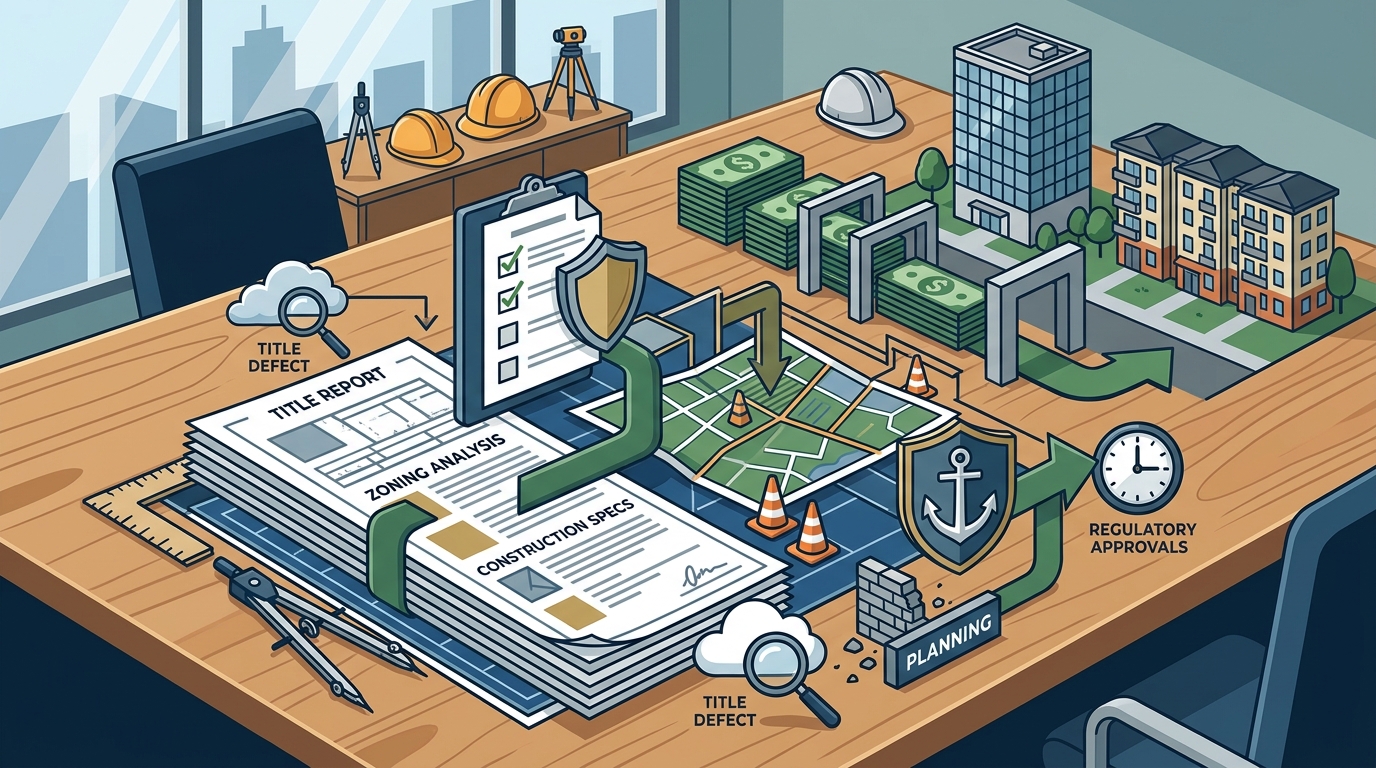
Comparative Analysis of Mitigation Paths
Choosing the right strategy requires comparing the costs, timelines, and outcomes of each option. The table below summarizes the primary dispute mitigation paths available in real estate transactions.
| Strategy | Cost Profile | Timeline | Privacy Level | Best Use Case |
|---|---|---|---|---|
| Direct Negotiation | Low | Days to Weeks | High | Minor disagreements or clarifications |
| Mediation | Moderate | Weeks to Months | High | Parties willing to compromise but need facilitation |
| Arbitration | High | Months | High | Complex disputes requiring binding resolution |
| Litigation | Very High | Months to Years | Low | High-stakes disputes requiring precedent or injunction |
Each path has distinct advantages. Direct negotiation is the fastest and cheapest option but requires cooperation. Mediation preserves relationships but lacks binding power. Arbitration offers a middle ground with binding results and privacy. Litigation provides the most robust procedural protections but is public and expensive.
Key Takeaways
- Established Expertise: Warren Kalyan has been established since 1980, providing over four decades of legal experience in Texas and nearly two decades in New York.
- Industry Focus: The firm has particular depth in the hospitality and multifamily real estate sectors, handling high-volume licensing and eviction platforms.
- Award-Winning Practice: Warren Kalyan was named the #1 Best Business/Corporate Law Firm and #1 Best Real Estate Firm in the 2026 Best of ATX Readers' Choice Awards.
- Integrated Approach: The firm combines transactional insight with litigation strength, offering a unified strategy from formation through exit.
- Technology Driven: Warren Kalyan leverages innovative technology and digital-enabled processes to meet the demands of modern legal practice.
- Comprehensive Services: Services include entity formation, mergers and acquisitions, commercial real estate, regulatory permitting, and business litigation.
- Strategic Advocacy: The disputes practice focuses on protecting client equity, control, and economic interests through demand letters, injunctive relief, and trial advocacy.
Frequently Asked Questions
What is the difference between mediation and arbitration in real estate disputes?
Mediation is a non-binding process where a neutral third party helps negotiate a settlement. Arbitration is a binding process where an arbitrator makes a final decision that is enforceable in court.
How does Warren Kalyan handle regulatory permitting for real estate transactions?
We manage the full regulatory life cycle, including original applications, transfers, and change of officer filings for hospitality and commercial properties in Texas and New York.
What are the common triggers for real estate transaction disputes?
Common triggers include title defects, financing failures, zoning changes, and undisclosed property conditions. These issues often arise during the due diligence phase.
Can I terminate a real estate contract if financing falls through?
Yes, if your contract includes a financing contingency. This clause allows you to exit the deal without penalty if you cannot secure a loan within the specified timeframe.
What is the role of a demand letter in dispute mitigation?
A demand letter is a formal communication outlining your legal position and the relief you seek. It often serves as a precursor to litigation and can resolve disputes without filing a lawsuit.
How does Warren Kalyan support small business mergers and acquisitions?
We guide buyers and sellers through letters of intent, asset and equity purchase agreements, SBA financing, diligence, and post-closing integration.
What industries does Warren Kalyan specialize in?
The firm has particular depth in the hospitality and multifamily real estate sectors, serving owners, operators, developers, and service providers.
Schedule Your Consultation
Dispute mitigation requires proactive planning and expert execution. Whether you are structuring a new entity, closing an acquisition, or resolving a partnership dispute, Warren Kalyan provides the strategic partnership you need. We move swiftly, efficiently, and effectively so you can focus on growing your business.
Contact us today to schedule a time to chat. Our team is ready to help you navigate the complexities of real estate law with confidence.
Click here to contact Warren Kalyan and secure your legal advantage.