

Streamlining Mid-Market Acquisitions with Transaction Management Workflows
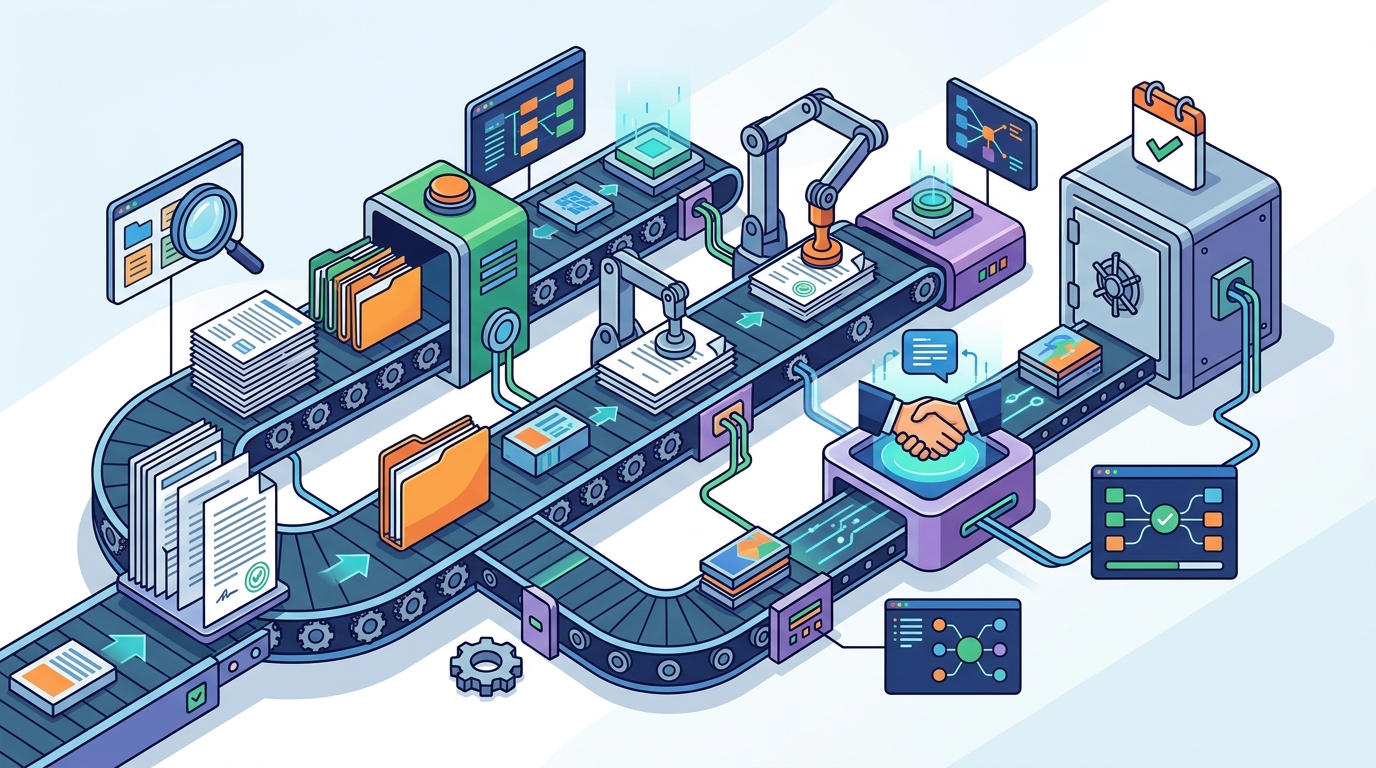
Transaction management workflows streamline mid-market acquisitions by centralizing data, automating routine tasks, and enforcing strict compliance checkpoints. This structured approach reduces friction between legal, financial, and operational teams. Warren Kalyan leverages these digital processes to guide clients from initial diligence through closing with precision.
Centralized Data and Single Source of Truth
Fragmented data is the primary cause of delays in lower-middle-market transactions. When legal teams, financial advisors, and operational managers work from separate spreadsheets or email threads, version control becomes a nightmare. A centralized transaction management system creates a single source of truth. Every document, data room file, and communication log lives in one secure environment. This eliminates the risk of signing an agreement based on outdated financial projections.
For example, a buyer acquiring a multifamily portfolio needs to verify lease terms, rent rolls, and maintenance records simultaneously. Without a unified platform, tracking these disparate data points across multiple properties is error-prone. A robust workflow ensures that every lease is tagged, reviewed, and approved before the closing date. This level of organization is critical for protecting the buyer's economic interests.
Automated Compliance and Regulatory Checkpoints
Regulatory compliance is a major bottleneck in mid-market M&A. Transactions often involve complex licensing, zoning, and employment regulations that vary by jurisdiction. Manual compliance checks are slow and prone to human error. Automated workflows can flag missing permits, expired licenses, or non-compliant employment contracts in real time. This proactive approach prevents costly post-closing liabilities.
In the hospitality sector, liquor licensing is a prime example. A restaurant acquisition requires the transfer of specific state and local permits. If these transfers are not initiated early, the closing date may slip. Automated reminders and status tracking ensure that all regulatory filings are submitted on time. Warren Kalyan integrates these regulatory checks into its transaction counseling to ensure seamless compliance.
Collaborative Due Diligence and Risk Mitigation
Due diligence is the most labor-intensive phase of any acquisition. Traditional methods involve exchanging large volumes of documents via email or static data rooms. This process is slow and makes it difficult to track open questions. Collaborative digital platforms allow multiple parties to review documents simultaneously. Buyers can annotate contracts, ask questions, and track responses in a shared workspace.
This transparency accelerates the identification of material risks. For instance, a buyer reviewing a commercial lease can immediately flag unfavorable renewal terms. The seller can then respond with counter-proposals or supporting documentation. This back-and-forth happens within the platform, creating a clear audit trail. The result is a faster, more efficient negotiation process that reduces legal fees and time to close.
Post-Closing Integration and Operational Continuity
Many acquisitions fail not because of the deal terms, but because of poor post-closing integration. The transition from seller to buyer requires seamless handoffs of operational responsibilities. Transaction management workflows extend beyond the closing date to support integration. They provide checklists for transferring key personnel, updating vendor contracts, and migrating IT systems.
For a lower-middle-market company, this continuity is vital. Disruptions in operations can erode the value of the acquisition. A structured integration plan ensures that critical business functions continue without interruption. Warren Kalyan advises clients on these integration strategies to protect the long-term value of the transaction.
The Technology Advantage in Legal Execution
By adopting these workflows, firms can handle complex, multi-jurisdictional deals with greater ease. The ability to coordinate across Texas and New York, for example, requires robust digital infrastructure. Warren Kalyan uses innovative technology to set new standards in legal service delivery, ensuring clients receive value-driven partnership.
Key Takeaways
- Centralized data platforms eliminate version control issues and create a single source of truth for all transaction documents.
- Automated compliance checkpoints reduce the risk of regulatory violations and post-closing liabilities.
- Collaborative due diligence tools accelerate risk identification and negotiation cycles.
- Structured post-closing integration plans ensure operational continuity and protect deal value.
- Digital workflows allow legal teams to focus on strategic advice rather than administrative tasks.
- Technology-driven processes are essential for managing complex, multi-jurisdictional mid-market acquisitions.
Frequently Asked Questions
What is a transaction management workflow?
A transaction management workflow is a structured digital process that guides a deal from initial due diligence through closing and post-closing integration. It centralizes data, automates routine tasks, and enforces compliance checkpoints to reduce friction and error.
How do digital tools improve due diligence?
Digital tools allow multiple parties to review documents simultaneously in a shared workspace. This accelerates the identification of material risks and creates a clear audit trail of negotiations, reducing the time and cost of the diligence phase.
Why is post-closing integration important in mid-market M&A?
Post-closing integration is critical because many acquisitions fail due to operational disruptions rather than deal terms. Structured integration plans ensure seamless handoffs of personnel, contracts, and systems, protecting the long-term value of the transaction.
How does automation help with regulatory compliance?
Automation flags missing permits, expired licenses, or non-compliant contracts in real time. This proactive approach prevents costly post-closing liabilities and ensures that all regulatory filings are submitted on time, especially in regulated industries like hospitality.
What role does technology play in legal execution?
Technology allows legal teams to focus on strategic advice rather than administrative tasks. By leveraging digital tools, firms can offer faster turnaround times and greater transparency, providing clients with a more responsive and proactive legal partner.
How can a law firm streamline a multi-jurisdictional deal?
Law firms can streamline multi-jurisdictional deals by using robust digital infrastructure to coordinate across different states. This ensures that all legal, regulatory, and operational requirements are met efficiently, reducing the complexity of managing transactions across Texas and New York.
Conclusion
Transaction management workflows are essential for streamlining mid-market acquisitions. By centralizing data, automating compliance, and facilitating collaborative diligence, these digital processes reduce friction and protect deal value. Warren Kalyan leverages these innovative technologies to provide value-driven partnership, guiding clients from formation through exit with precision and efficiency. To discuss how these workflows can benefit your next acquisition, .